
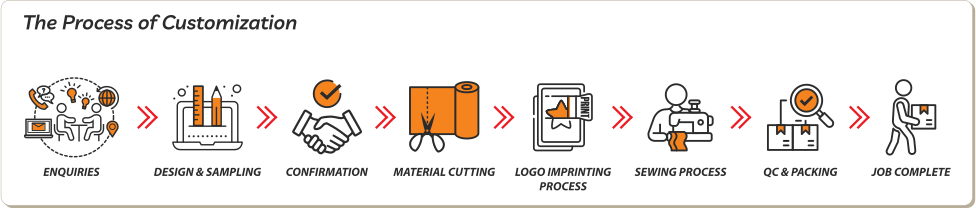
We provide comprehensive handbag manufacturing services from design conceptualization to production to meet the needs of different customers.

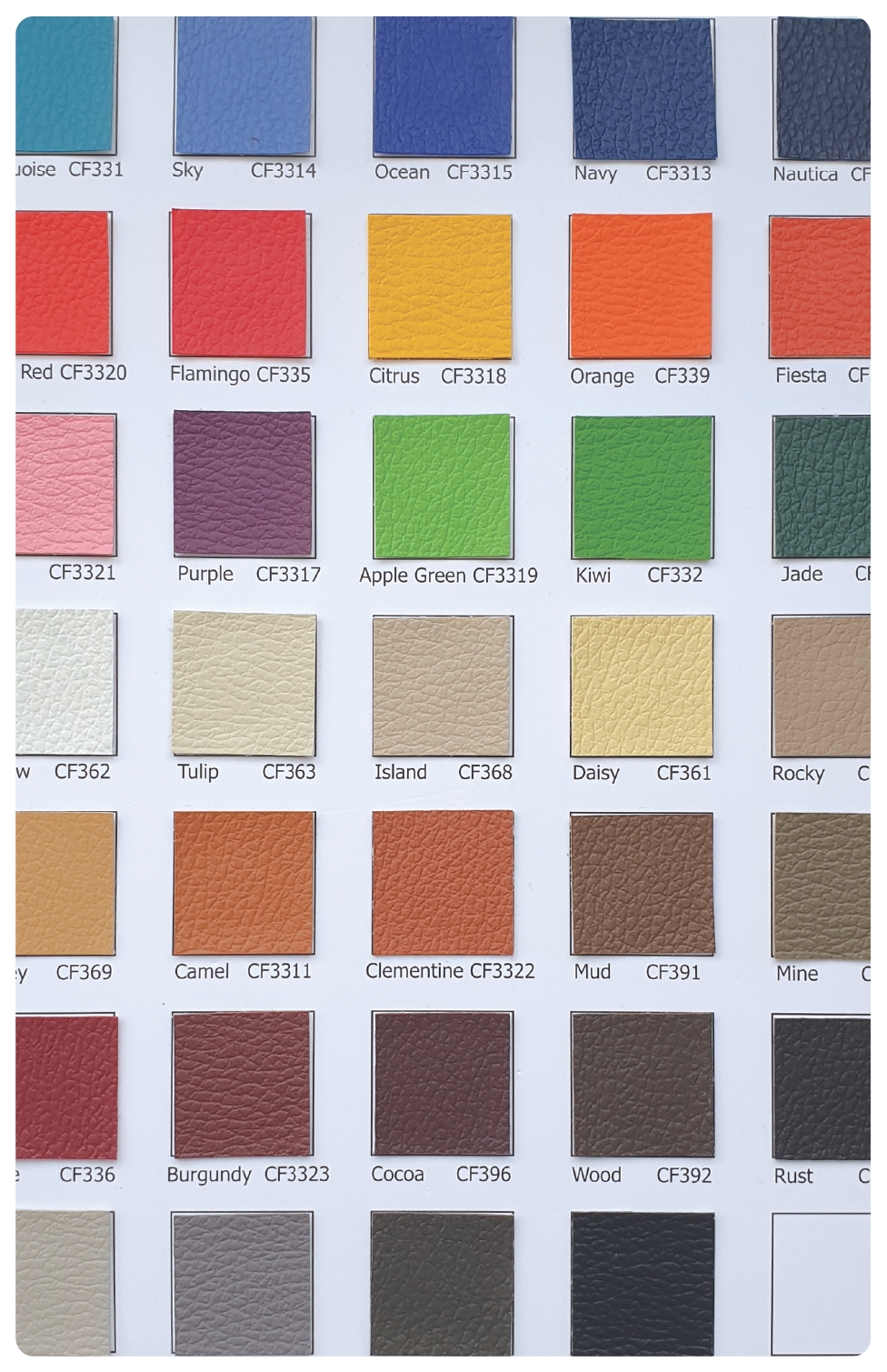
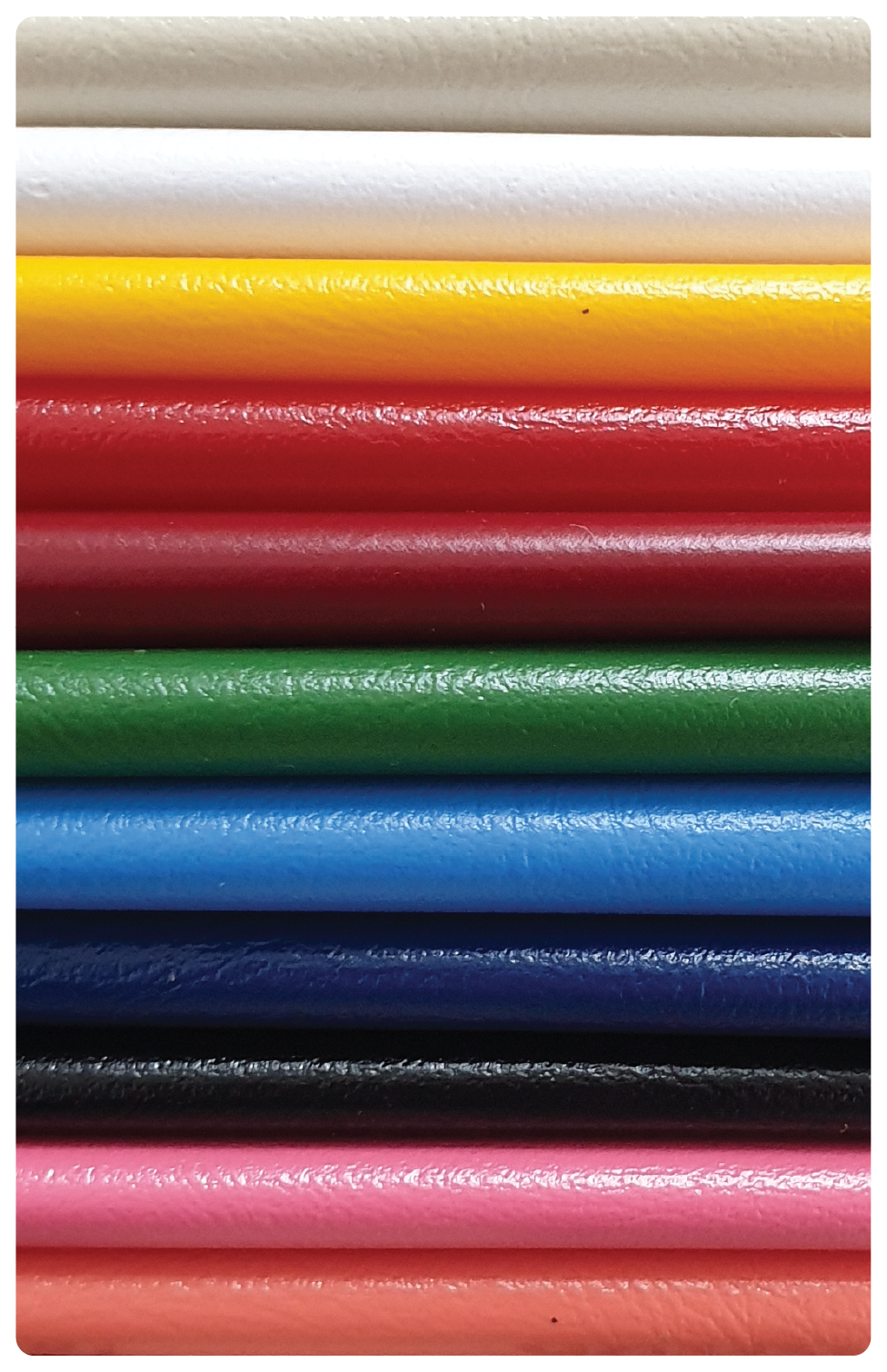
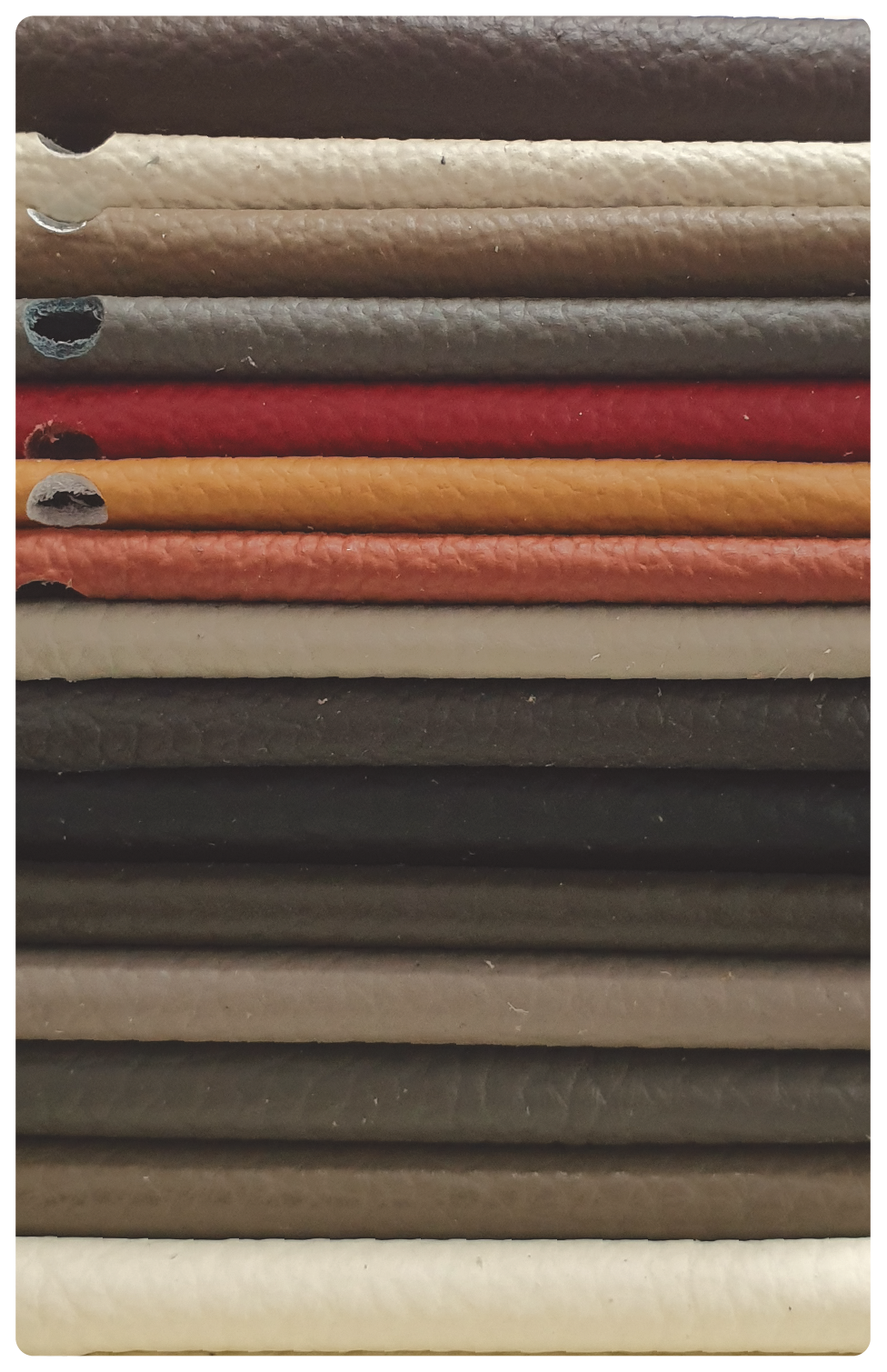
PU / PVC Leather
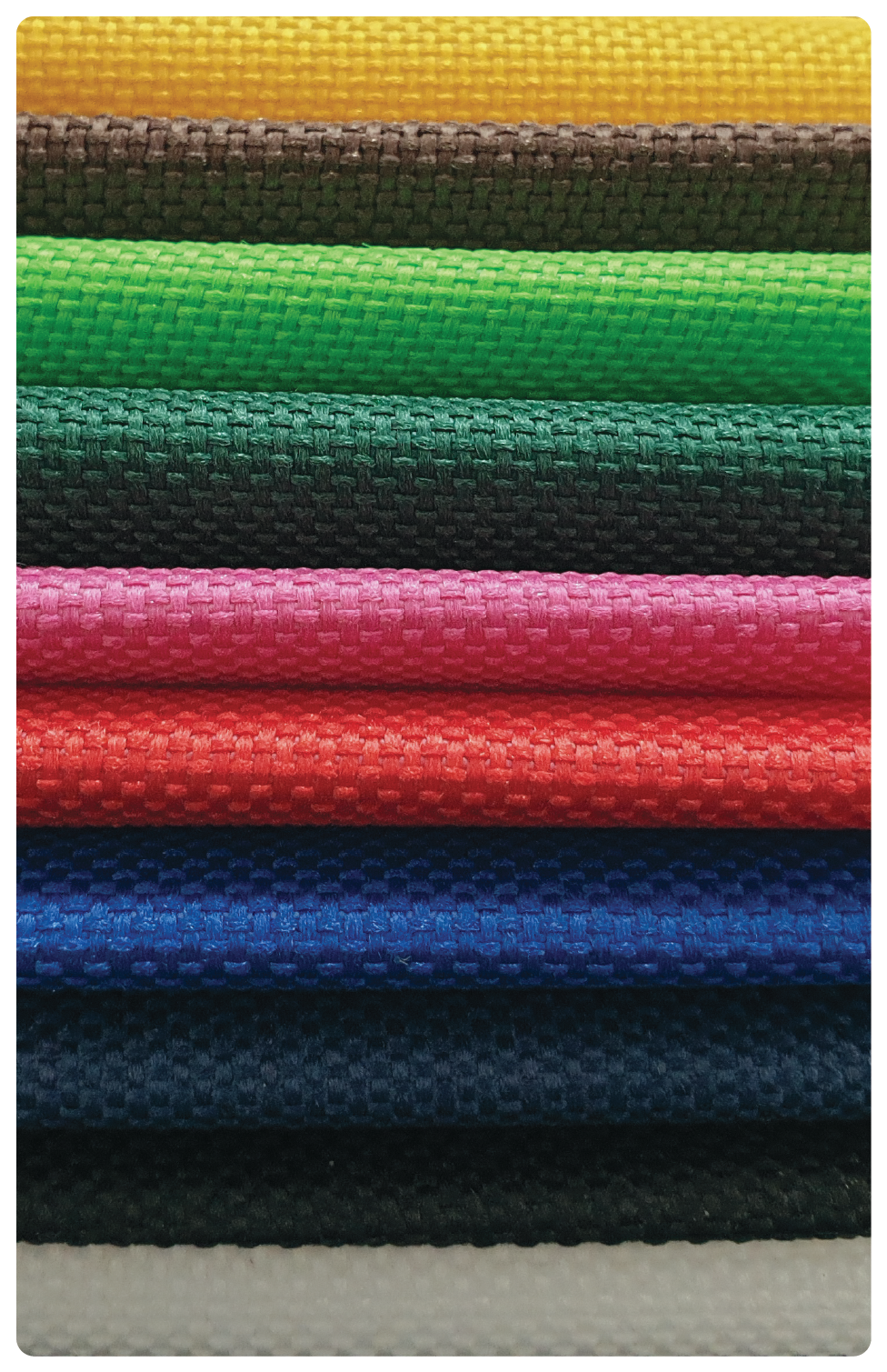
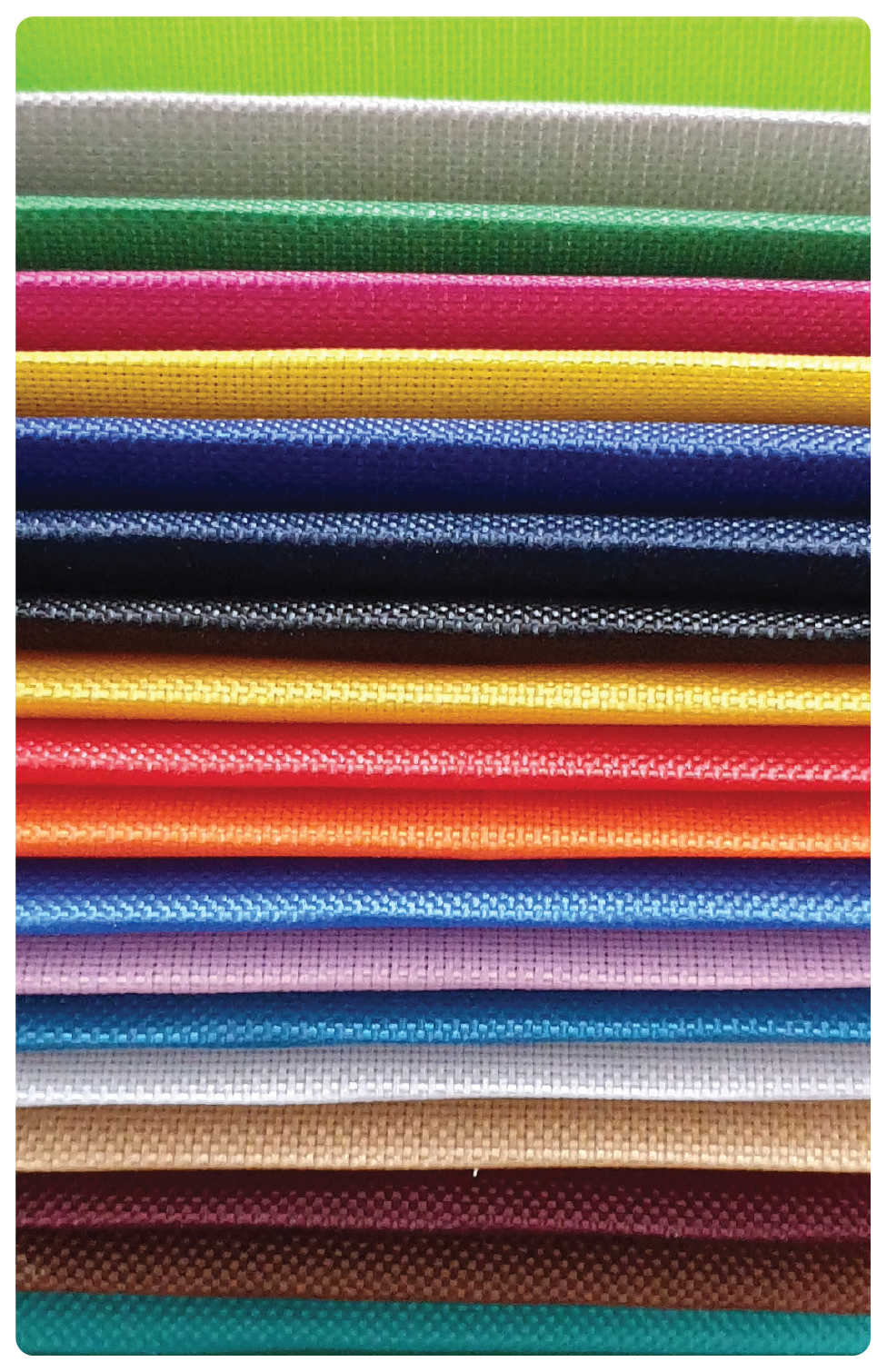
Polyester 600D / 900D
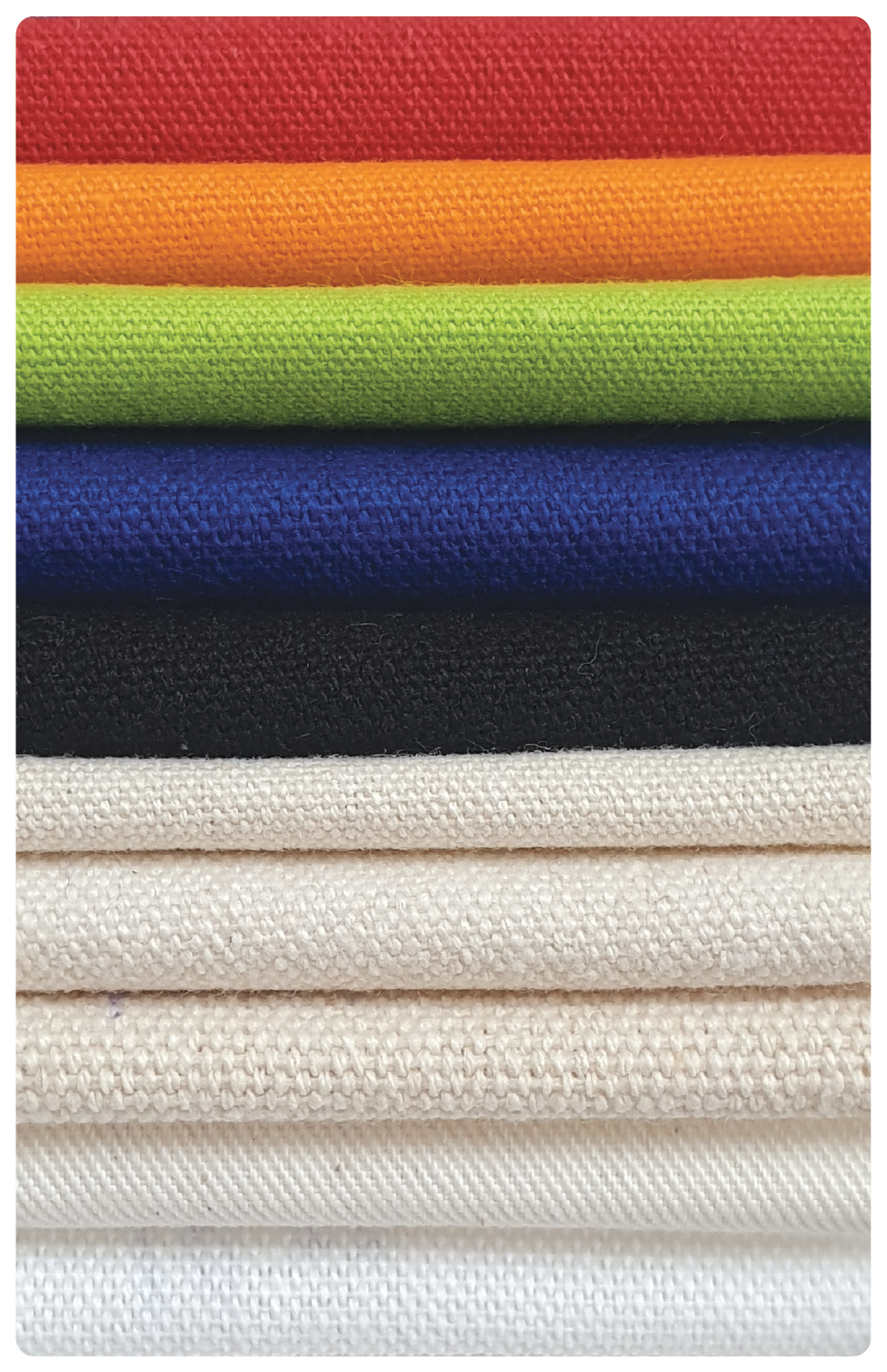
Canvas / Poly-Canvas
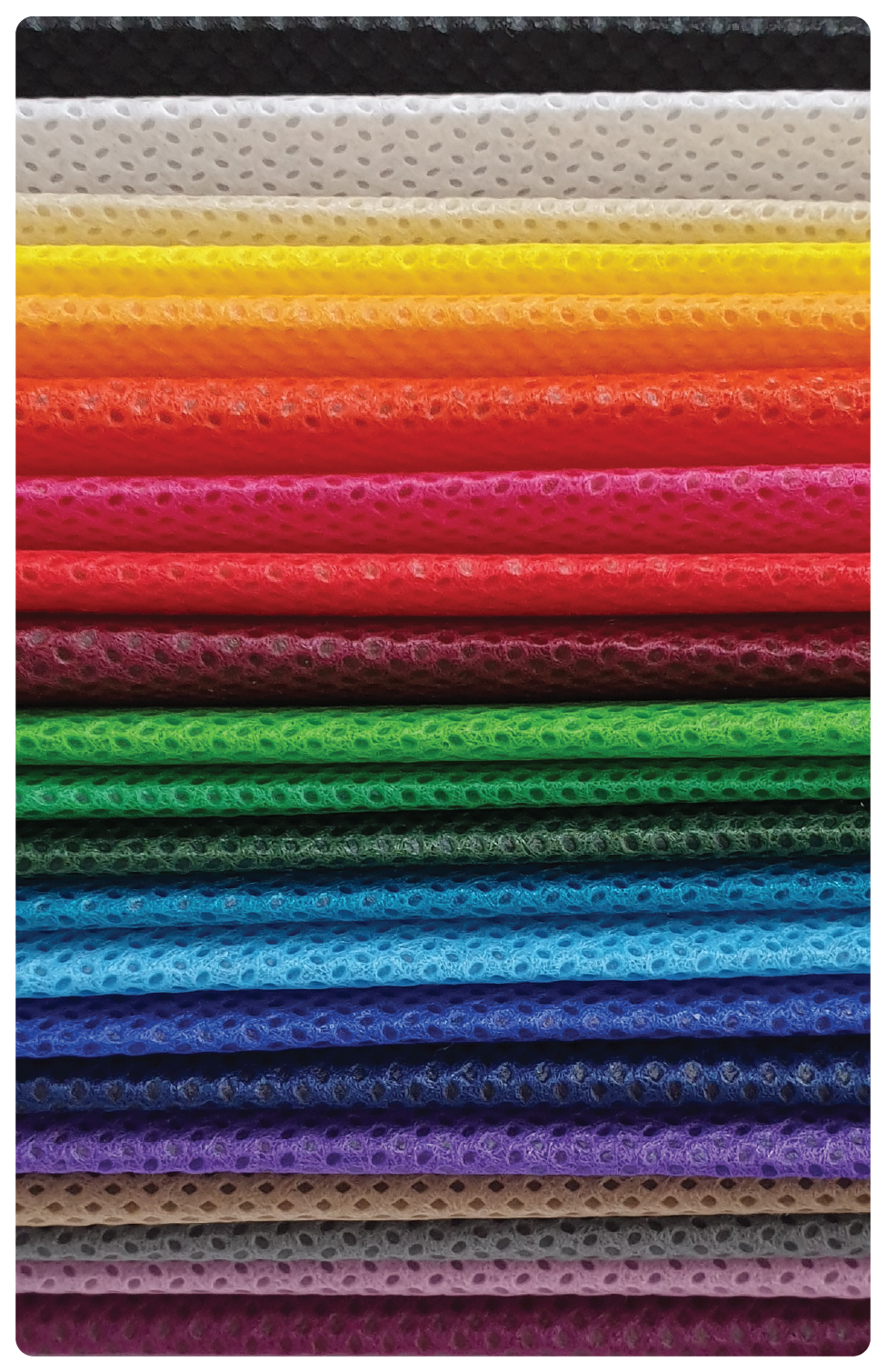
Non Woven
Nylon
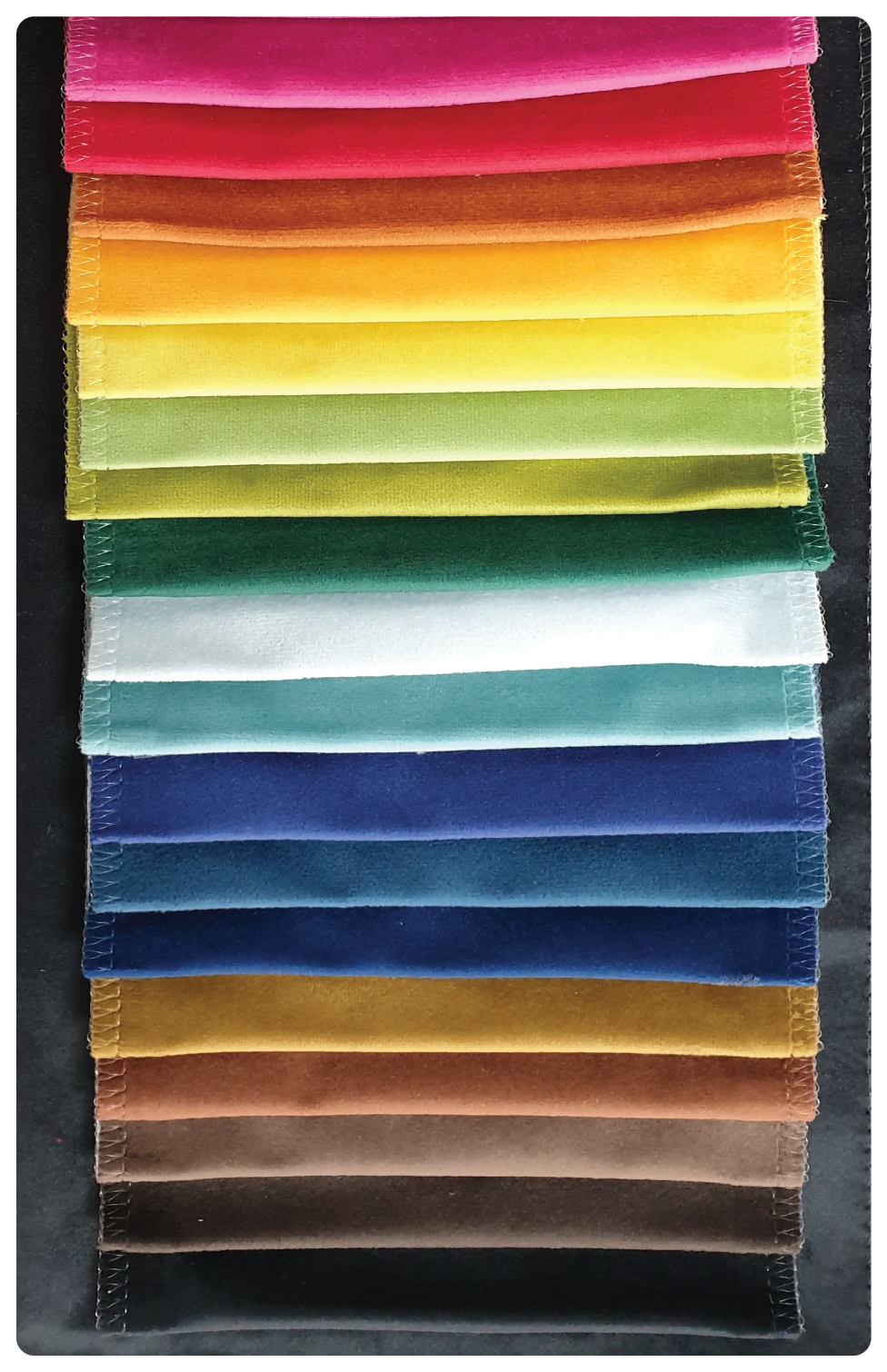
Velvet
PVC
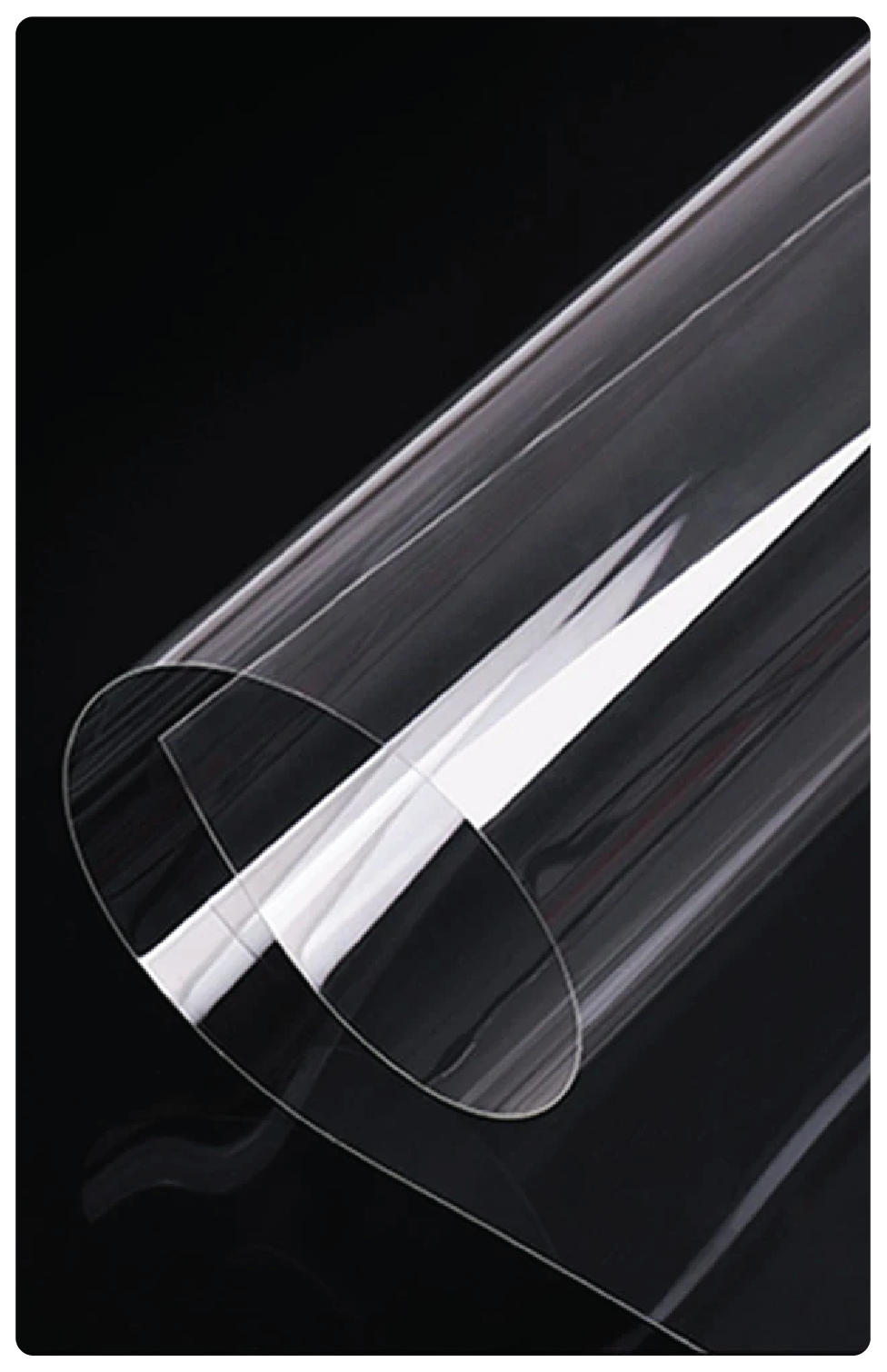
Clear PVC
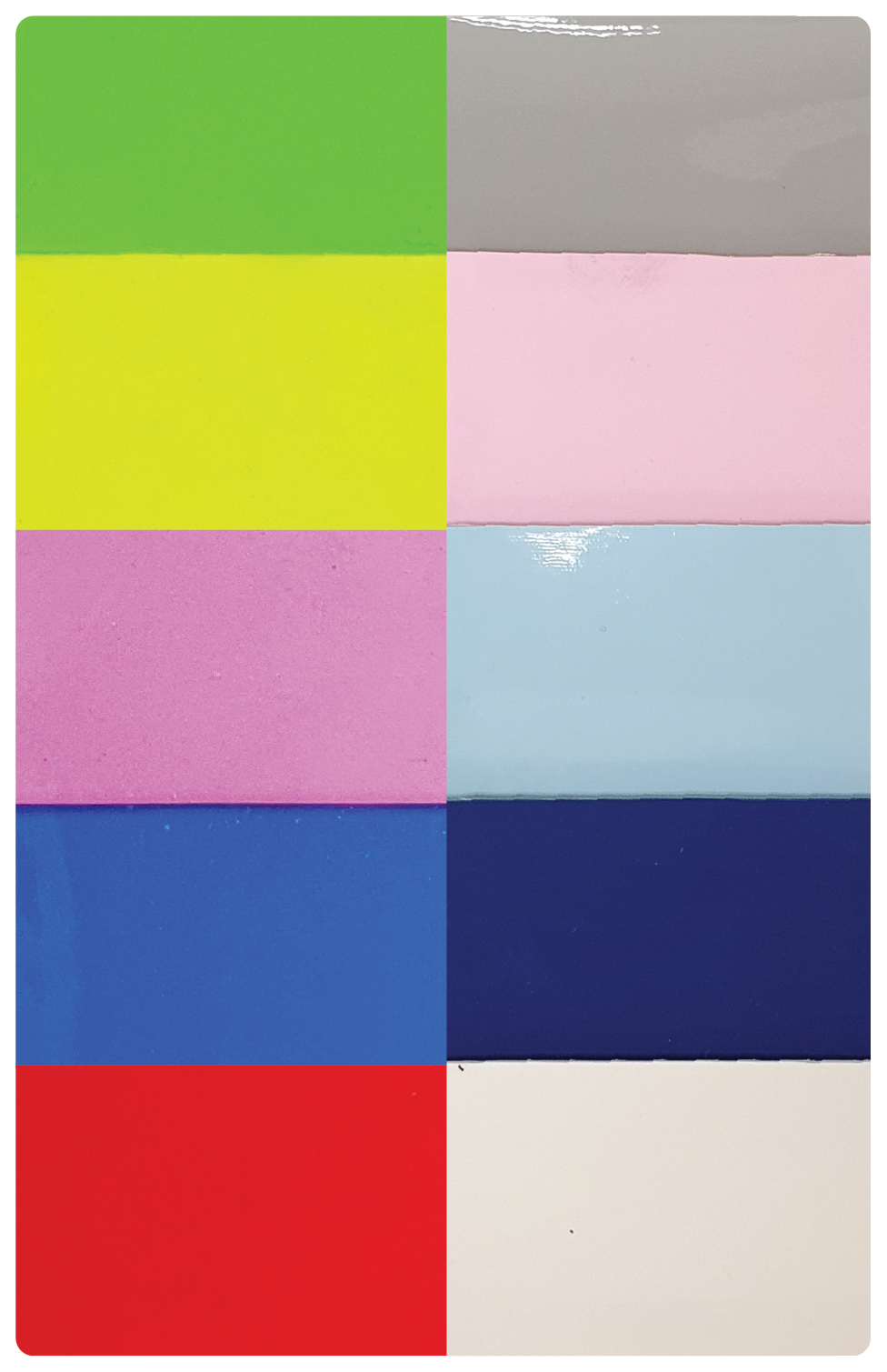
Clear Colored PVC / Gloss PVC
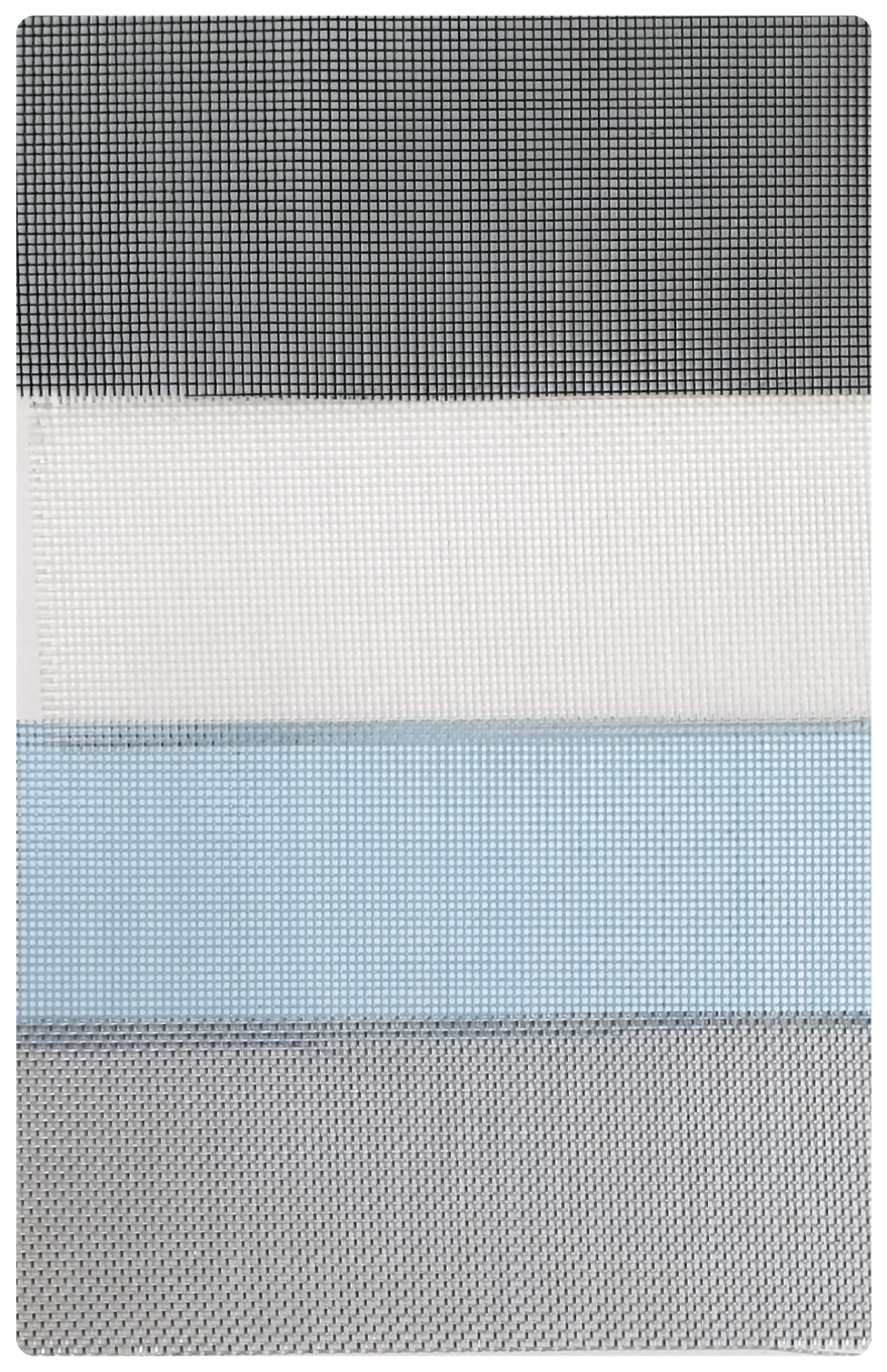
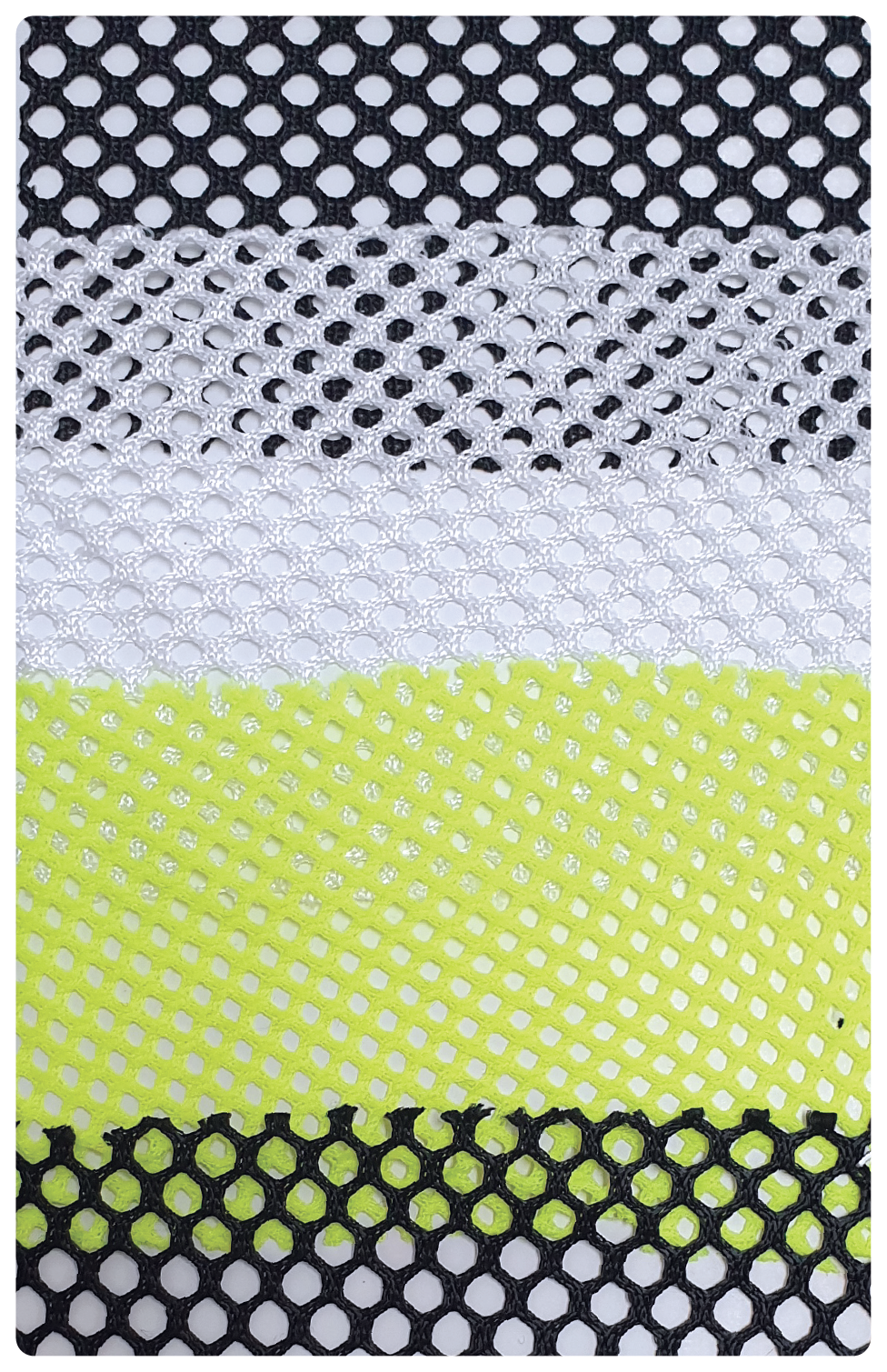
Mesh
Poly-Mesh
Genuine Leather
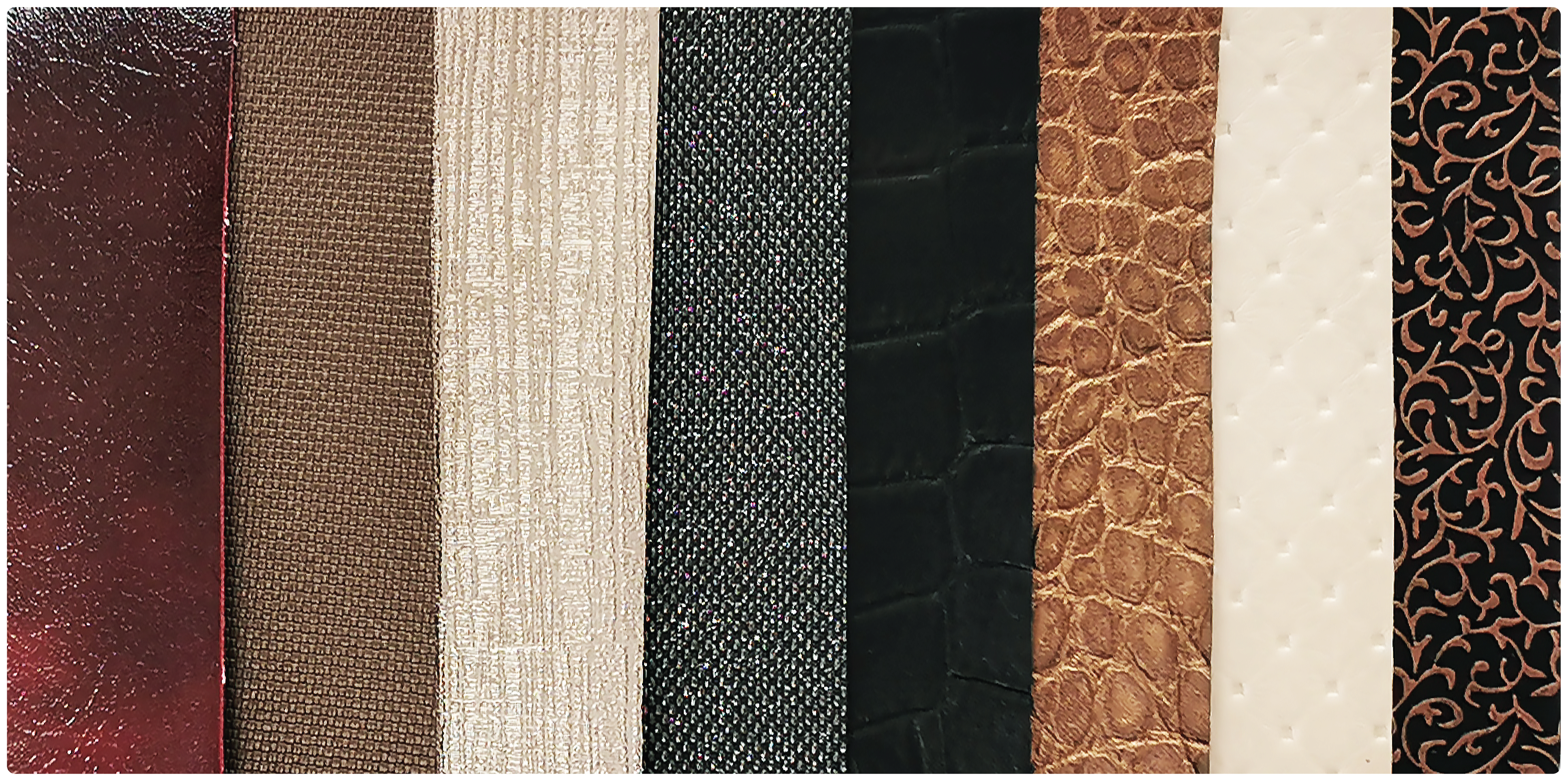
Special Leather

There are numerous ways to imprint onto your products to help spread Brand Awareness and Build Client Relationships. Understanding different imprint methods will help you communicate better to produce the best results!
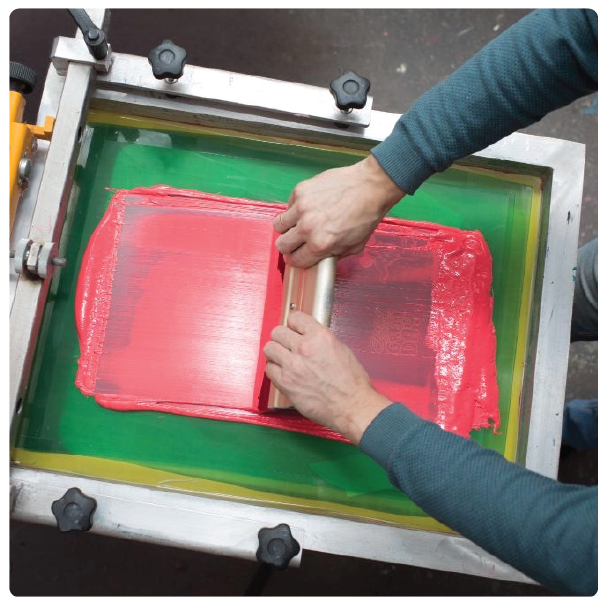
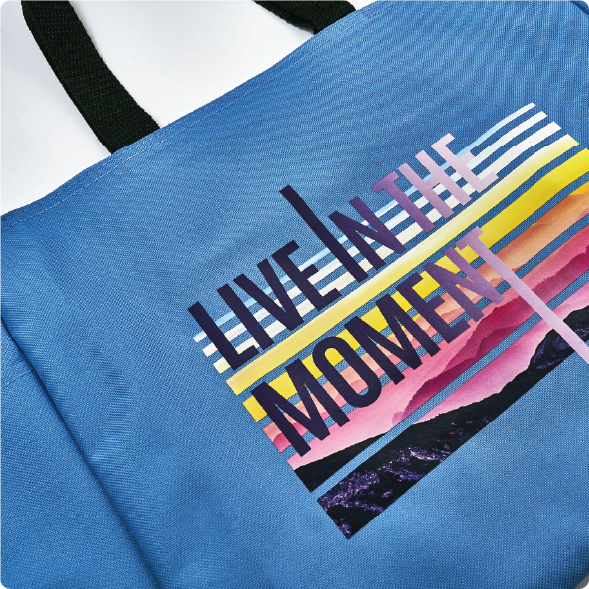
Silkscreen Printing
  • A technique that involves transferring a pattern onto products surfaces using a mesh screen, ink, and a squeegee.
  • The design is generated by blocking specific screen sections, enabling the ink to travel through the open areas and onto the desired material.
  • A flexible and long-lasting printing technology capable of producing high-quality, long-lasting prints.
  • Usually used for single-color imprint but unable to produce gradient colors and complex designs.
  • Cost-effective for large quantities like t-shirts and tote bags.
Heat Transfer/ DTF Printing
  • A technique that combines heat and adhesive powder to transfer graphics from PET film onto fabrics using a heat press machine.
  • Suitable for printing detailed designs in gradient graphics or full-color print.
  • Cost-effective alternative for small to medium-sized print runs.
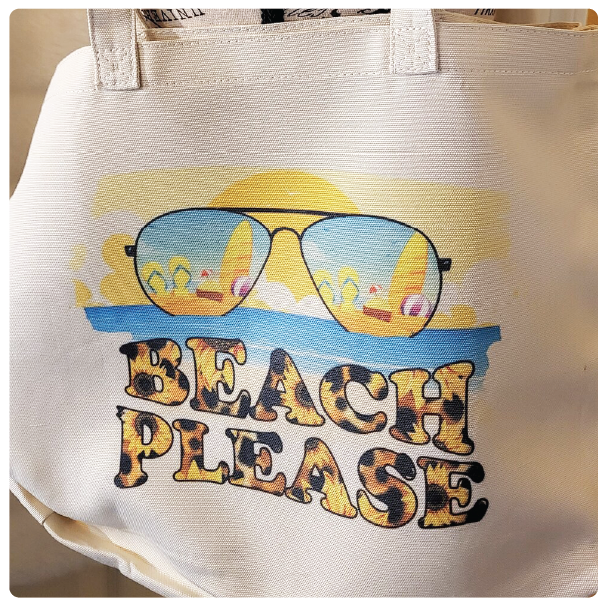
Dye Sublimation
  • A digital printing process that uses heat press and specific inks transfers a pattern onto a substrate, often polyester-based textiles or materials with a polyester coating.
  • Dye sublimation allows for detailed designs and full-color printing.
  • It works especially effectively on white or light-coloured textiles/materials since the sublimation inks are transparent and rely on the backdrop colour for the final look.
  • Sublimated imprints do not wash away over time.
Embroidery
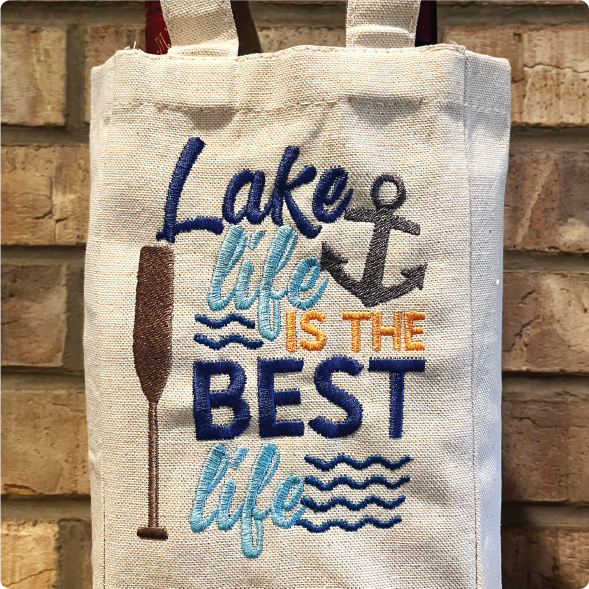
  • The process of stitching your design to the fabric.
  • Two-step process: Digitising the design and Sewing the digital file onto the fabric using an embroidery machine.
  • Long-lasting decoration option, especially for uniforms and highly decorative products.
  • Premium look and pop-up effects with a thread feel.
  • Small letters and tiny details are not well suited for this decorating method because of the limitations of digitizing and using thread as the medium.
Debossing and Embossing
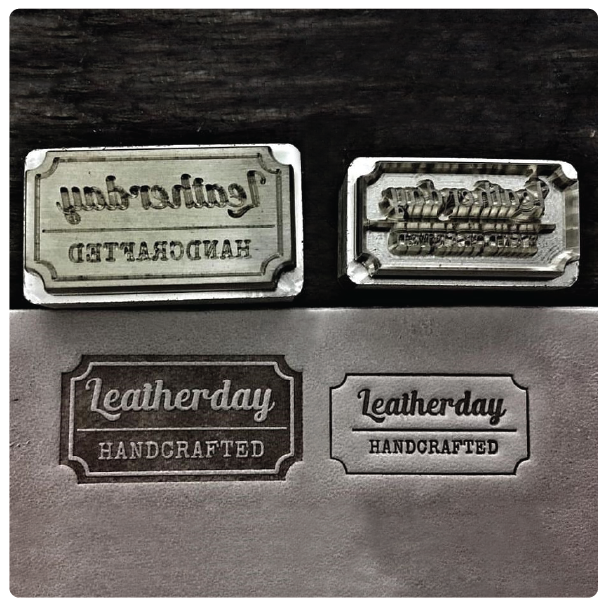
  • Both suggest a slightly 3D look.
  • Embossing create a raised-up look.
  • Debossing create a pressed-down or stamped design.
  • Both involves imprinting on specific substrates with a metal stamp, using pressure and heat to press an image into the surface of the product.
Hot Stamping / Foil Stamping
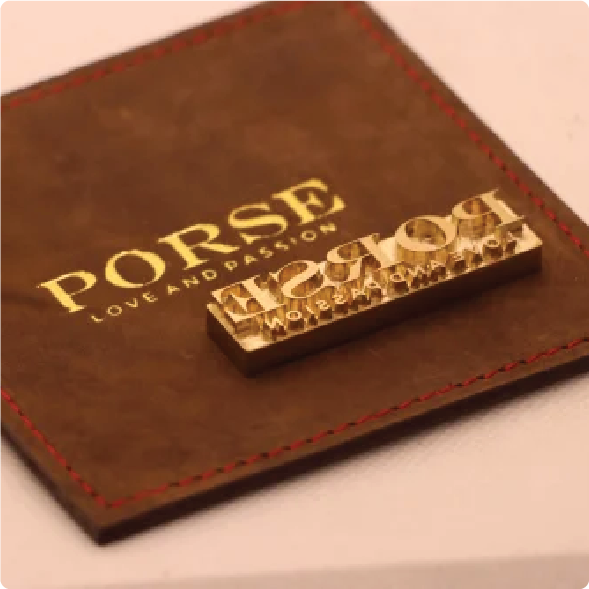
  • Uses metal dies, heat, pressure and metallic paper (foil).
  • Create shiny designs and graphics with a slight 3D effect on various materials.
  • Limited to gold or silver foil.
  • The film always gives even, opaque coverage and that the shiny, glossy surface is eye-catching and exudes luxury.
Fabric Label / Hot-Stamped Leather Label
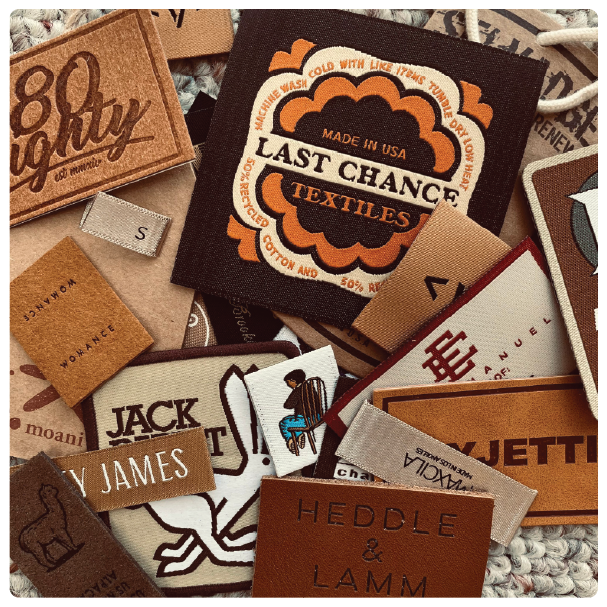
  • Small labels usually sewn onto garments, bags, homeliving products etc.
  • Fabric labels are durable and soft cloth fabric materials, including woven and printed fabric labels.
  • Materials include satin, nylon, taffeta, polyester, tape, ribbon, non-woven fabric, and cotton fabric are used.
  • Leather labels are also called leather tags or leather patches. Ideal for bags and key tags.
  • They have types of artificial(PU), genuine(real), or suede(microfiber) leather labels.
  • Add personalized logo/brand using printing, debossing or gold/silver hot stamping.
  • Adding methods include stitching on, gluing, or using Velcro.
Singer Sewn Binding
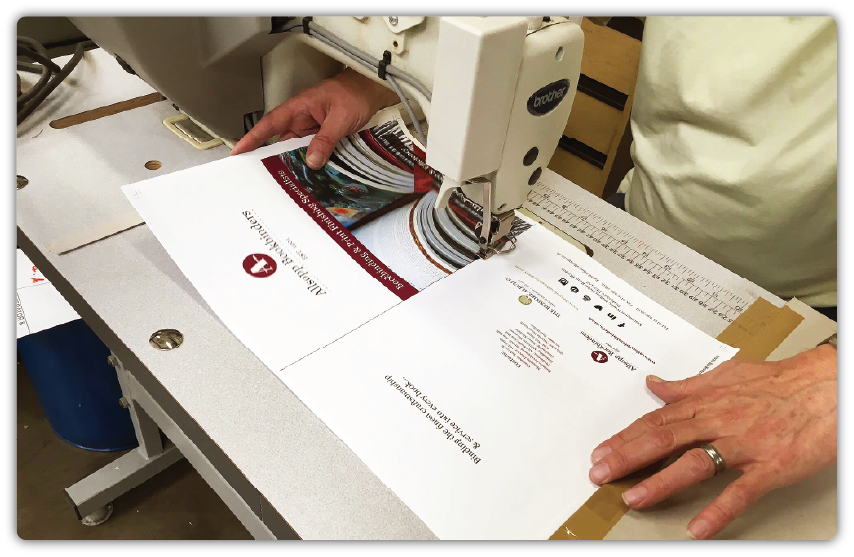
  • Singer sewn binding is as simple as stitch a single line of cotton thread down the edge of collated pages or through the centre fold of the pages.
  • This method uses an industrial sewing machine to stitch pages together down the length of the spine.
  • A durable method that is used to make hard-wearing documents like passports.
Side Sewn Binding
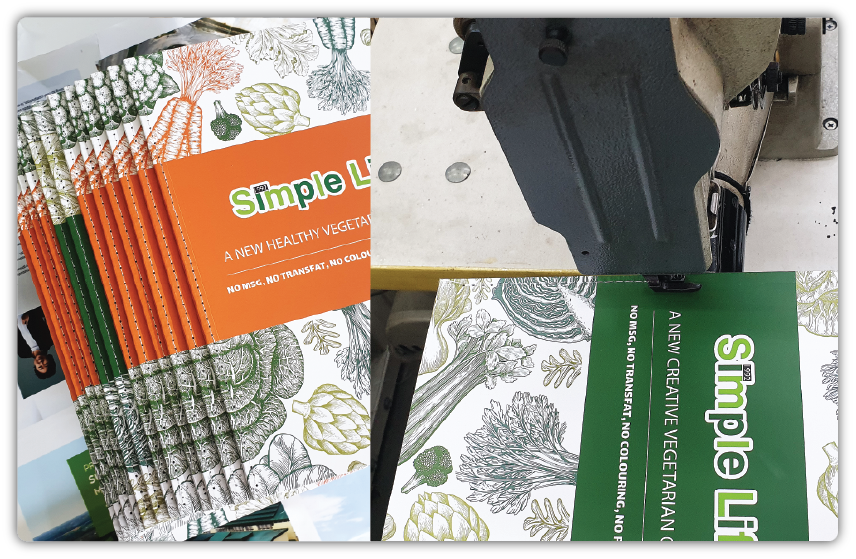
  • Side singer sewn or side sewn binding is one where a high strength synthetic stitching runs through the left side of the book from front to back.
  • The advantage of side sewing is the strength it offers.
  • Commonly used for menu or notepad.
Die Cutting
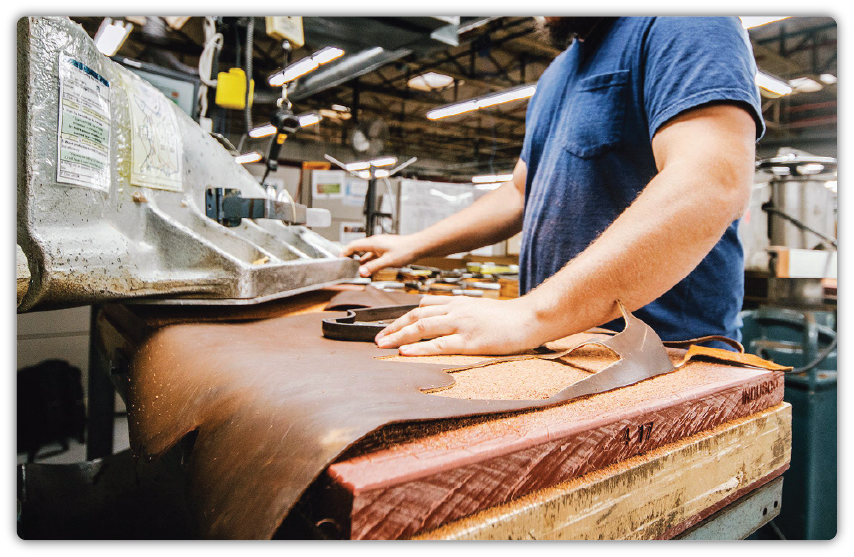
  • The process of cutting shapes from leather or fabric by pressing with a die cutter machine and carefully lay out the sharp cutting dies on one or more layers.
  • The custom steel cutting die has sharp edges to pierce the material; and has the two-dimensional shape of the finished part.
  • Less offset is created, and the finish is more efficient, makes your cut-out shapes look professional and consistent every time.